
Whoa, that surprised me. I installed a browser extension wallet last week and got paranoid. Something felt off about the permissions prompt and the gas estimation. At first I blamed my own inexperience, though actually the UX nudges and sloppy messaging played a bigger role in that confusion than I expected. That led me down a rabbit hole of reading threads and changelogs.
Seriously, I was annoyed. My instinct said check the extension’s origin and audit history. On one hand I wanted convenience; on the other hand I wanted true multi-chain safety. Initially I thought a single mnemonic and a password were enough, but then I realized that chain-specific approvals, phishing-resistant UI, and permission granularity actually matter far more when you hold value across many networks. So I started testing features, intentionally messing with account names and simulated approvals.
Whoa, that was telling. I favor wallets that separate transaction signing from permission approvals. Rabby’s approach to permission controls stood out in my tests. There were small things that signaled good design: explanatory tooltips that didn’t talk down, a clear revoke flow, and a way to inspect previous approvals even after you switch chains—which is crucial when the wallet claims multi-chain support but the UI lags behind the reality of cross-chain dApps. I also checked token approvals on contract level rather than just the UI display.
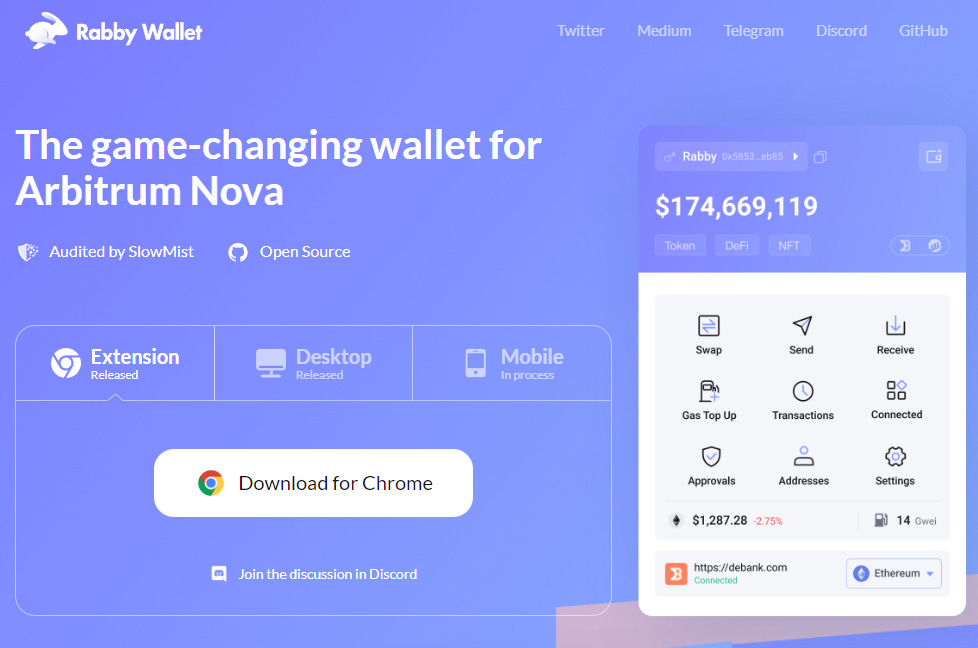
Hmm… this got complex. Check this out—many extensions request blanket permissions by default. Forcing users to approve every single contract call is annoying, sure, but providing a middle ground—granular approvals, per-dApp session limits, and time-bound permissions—reduces long-term risk without turning onboarding into an ordeal. I paused my exploration and took screenshots for later comparison. The image below caught my eye because it showed a revoke workflow that wasn’t buried under ten menus, and that felt like a small victory in the larger fight against silent approvals and accidental token drains.
A practical next step
Okay, so check this out— I started comparing wallets with a focus on multi-chain behavior. One wallet handled approvals per-chain, another blurred contexts and made me uneasy. I’ll be honest: I am biased toward tools that give clear control, and although no wallet is perfect, the workflow that lets me revoke and re-authorize selectively reduces my attack surface significantly over time. If you want a practical place to start, try rabby wallet for a feel of permission-first design.
I’m not saying it’s flawless. There were rough edges and some UX inconsistencies I noticed along the way. On one hand the multi-chain promise is seductive and means less context switching for power users, though actually the security model must keep pace; otherwise convenience becomes a liability when an approval on one chain unexpectedly authorizes cross-chain bridges. My working rule is simple, practical, and often repeatable in audits. So test wallets like a skeptical friend would, ask for granular approvals, keep separate accounts for dApps you trust less, and don’t hesitate to revoke unknown tokens — and yeah, somethin’ about that ritual of checking makes you safer and oddly calm.
FAQ
How do I audit permissions quickly?
Look for a permissions or approvals tab and scan for unusually high spend limits or unknown contracts; revoke first and then re-authorize selectively as needed.

Comments are closed.