
Wow! I remember the first time I tried managing multiple chains in one extension wallet—what a headache. My instinct said there had to be a cleaner way, and after some digging I landed on Rabby and stuck with it. Initially I thought it was just another wallet, but then I started using it across Ethereum, BSC, and a couple of layer-2s and things changed. The experience made me rethink what a browser extension wallet can actually do for daily DeFi work.
Really? The interface surprised me in a good way. It felt uncluttered, but not stripped down to the point of hiding useful controls. I liked that transaction previews were clear and the UI sign-posted potential risks—which, honestly, is rare in extensions. On one hand the way it surfaces approvals reduced my worry, though actually I still double-check big approvals manually.
Whoa! One of the features that stuck with me was multi-account management. Setting up separate identities for trading, staking, and experimentation was straightforward. There were moments when I thought I’d misconfigured something, but the wallet’s prompts helped me recover without panic. If you juggle cold-storage, hardware keys, and browser-only accounts, Rabby makes it less painful.
Here’s the thing. The gas estimation felt more realistic than other extensions I use. I don’t mean perfect—gas is messy and networks are chaotic—but it was closer to on-chain outcomes in my tests. Initially I thought my sample transactions were flukes, but repeated checks across different networks confirmed the pattern. My instinct still made me over-approve once or twice, so I’m not preaching perfection here.
Wow! Security cues were subtle but useful. Small details like highlighting contract interactions that might grant broad approvals used a gentle color-coding. I’m biased, but those little nudges change behavior over time. They make you stop and think: do I really want to give this contract access forever?
Really? The account import flow was quick and fairly painless. It supports hardware devices, which for me is non-negotiable, and the bridge between Ledger or Trezor and the extension was smooth. I did have a tiny hiccup importing a testnet key, something somethin’ odd with the derivation path, but it resolved after I toggled an advanced setting. Small stuff, but worth knowing.
Whoa! I should say upfront—Rabby isn’t flawless. It occasionally prompts for a reload after network changes and that bugs me. Yet, their transaction simulation feature—when it works—can show reverts before you sign, which saved me from wasting gas on a botched swap. On the other hand, dev tooling and logs could be more accessible for power users who like to dig deeper.
Here’s the thing. Performance matters. If your extension is laggy, you lose trades and feel less confident. Rabby felt snappier than a couple of other extensions I used for the same tasks. That speed matters when bridging or when you need to cancel a pending transaction fast, though to be fair network congestion will always be the bigger enemy.
Wow! For multi-chain folks, asset visibility is big. Rabby makes token balances across chains visible without too many clicks. You can add custom tokens, and the process is straightforward even if you’re on a less common chain. I once had to add a niche token and it took less time than I expected, which was a relief.
Really? The onboarding experience was friendly for new users, but also left room for advanced controls. That balance is hard to hit. Initially I thought they catered more to experienced traders, but then I watched a friend set it up without getting lost. Sorry, she set it up without me holding her hand, which impressed me more than it should.
How to get set up — quick and honest steps
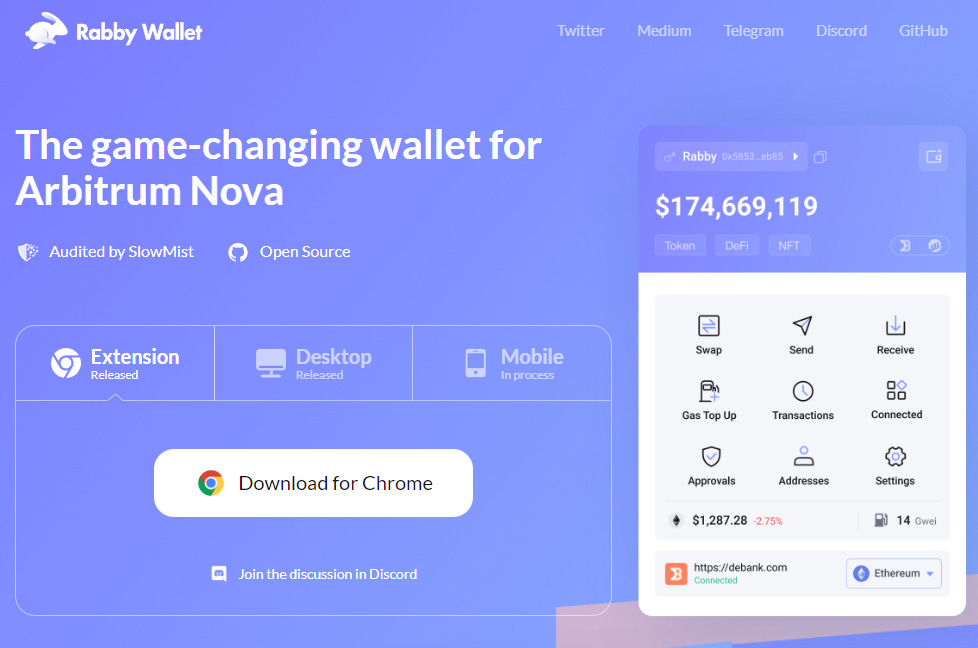
If you want to try it, start with a cautious step: install from the official source and then follow the prompts to create a new wallet or connect hardware. For an easy start, try the rabby wallet download and then create a dedicated account for small trades or testing, because you’ll learn faster if you don’t risk your main funds. I’ll be honest—I set up a “play” account first and used it for bridge tests and approvals, which saved me from a couple of dumb mistakes.
Whoa! Transaction management is worth a paragraph. The extension groups pending transactions and lets you speed them up when needed. That control has stopped me from losing a favorable position more than once. The downside is that speeding relies on the network’s current gas market, so sometimes your update still fails.
Here’s the thing. Wallet ergonomics are psychological as much as technical. When your extension nudges you about approvals, when gas estimates are reasonable, and when accounts are organized, you trade smarter. At least that’s been my pattern after months of juggling trades and staking across protocols. I’m not 100% sure it’s the wallet and not my behavior changing, but it correlates strongly.
Wow! Community and support matter too. Rabby has a fairly active Discord and GitHub presence, which is helpful when something weird happens. I filed a minor bug once and the response was timely enough that I could continue my workflow without losing two hours. Not every project has that level of support and it shows.
Really? For power users, the little integrations add up. Custom RPCs, chain switching, and hardware wallet compatibility all factor in when you’re moving across chains a lot. I confess I sometimes miss the raw low-level control of a CLI, but for browser-based DeFi work this is a strong compromise. There are trade-offs, as always.
Whoa! A final practical note—backups. Export your seed and store it safely. Don’t be that person who thinks a browser extension is invincible. If you rely on Rabby for multi-chain trades, treat recovery phrases like precious items: air-gapped storage or a hardware backup make sense. I’ve seen friends learn this the hard way…
FAQ
Is Rabby safe for everyday DeFi?
It’s reasonably safe if you follow best practices: verify installation source, use hardware wallets for large funds, and review approvals carefully. Rabby adds helpful UX nudges, but user behavior still carries most of the risk.
Can I manage multiple chains in one place?
Yes. Rabby supports several EVM-compatible chains and layer-2s, making it convenient to switch networks and view assets across chains without juggling multiple extensions.
What are the main downsides?
Minor annoyances include occasional reload prompts and the occasional UI quirk; also, like any extension, it’s limited by browser security and network volatility. Use hardware keys for the big stuff and use the extension for everyday interactions.

Comments are closed.